Custom website or template: what is the difference for a Saudi business?
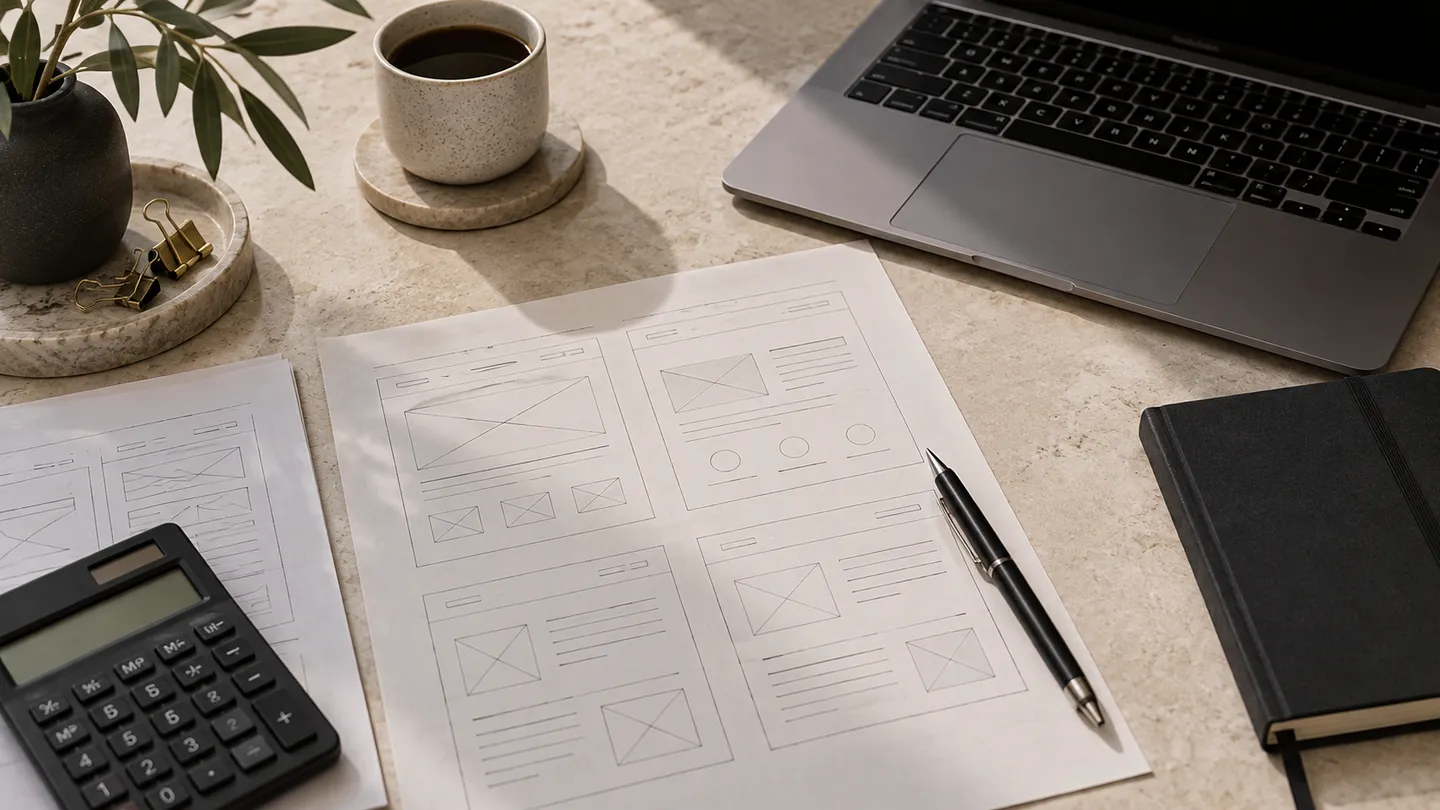
A template provides an existing layout or component system; custom design develops the arrangement around the project's needs. Both can produce useful websites, and both can fail when content and customer tasks are neglected. Ask what is being adapted, what is being built and what the business can maintain afterward.
In this guide
Separate visual design from functionality
A distinctive appearance does not necessarily require a completely new technical platform. A template-based site can use original content, appropriate imagery and thoughtful layout changes. A custom-looking site can still rely on established components and services.
Likewise, a booking workflow, catalogue filter or checkout is not automatically included because the design is described as custom. List the required behavior separately from the visual direction and confirm how each feature will be implemented.
References: MDN: responsive web design · W3C WAI: accessibility tutorials · Biaway website design packages
Compare fit rather than prestige
A template may fit a simple service site when its structure supports the necessary information and actions. It can reduce initial layout work, but adapting a poor fit can become laborious. Review the actual content and mobile behavior before committing.
Custom design may be justified when the business has unusual content, a distinctive customer workflow or a need for a reusable system across many page types. The extra work should solve a defined problem rather than merely justify a higher label.
Check ownership, licences and maintenance
Ask which theme, components, fonts and images are used, what licences apply and whether subscriptions are required. Confirm who can update the site and what happens when a component changes. Do not assume that buying a template grants every possible use of all demo assets.
For custom work, clarify source files, code access, documentation and ongoing support. Custom does not automatically mean portable or easy to maintain; those are delivery requirements that need to be agreed.

Test Arabic and Saudi service needs
Use a real Arabic service page, including long headings and mixed-direction contact details. A template that looks good in English may need careful RTL adaptation. For Hofuf and Mubarraz in Al Ahsa, include actual service conditions; for Dammam and Khobar, relevant delivery details; for Riyadh and Jeddah, remote or shipping arrangements. Saudi Arabia localization should shape content and behavior, not merely replace a stock hero photograph.
Prototype the important page before expanding
Choose one representative page and test its content hierarchy, mobile layout, form and editing process. If the template requires repeated exceptions, reconsider the fit before building the whole site. If a custom proposal adds complexity without customer value, simplify it.
Compare the complete build and maintenance effort. The right decision is the approach that delivers the required journey reliably, with appropriate ownership and support, within the business's constraints.
References: MDN: responsive web design · W3C WAI: accessibility tutorials · Biaway website design packages
How this guide was prepared
Prepared with AI assistance, with platform and accessibility claims checked against the primary sources below at publication. The planning frameworks are Biaway’s editorial recommendations. Examples labelled illustrative are not client stories or measured results. Platform features and requirements can change.
Your questions.
01Can a template site rank in Google?
Yes, the template label alone does not determine ranking. Content, accessibility to search engines, relevance and the site's overall quality still matter.
02Does custom design mean no reusable code?
No. Reusing sound components can be sensible. Ask which parts are tailored and what the deliverable includes.