Can you hire a designer to customize a website template in Saudi Arabia?
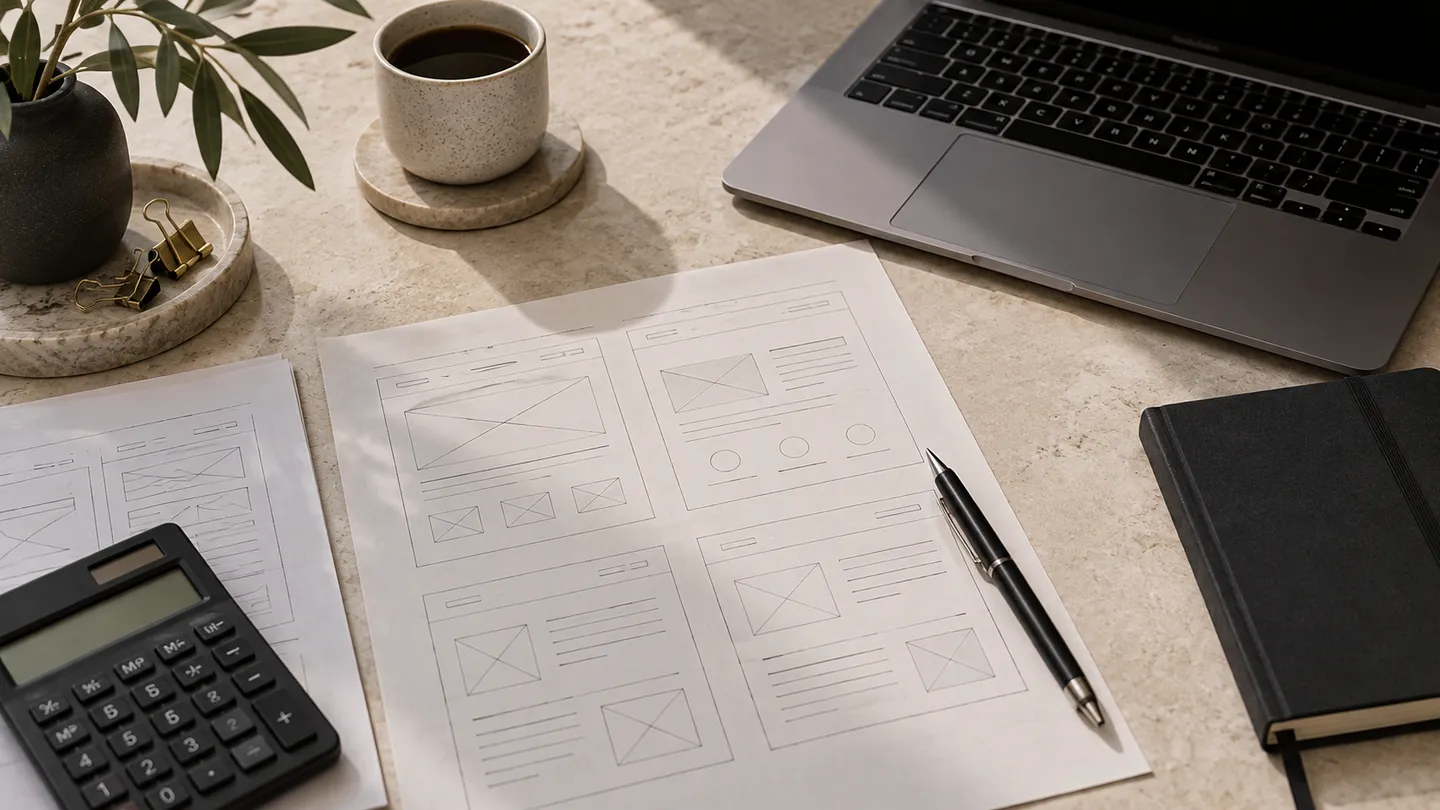
Yes, when the template is suitable and the agreement explains what customization includes. Hiring a designer does not necessarily mean every component must be built from scratch. The value can be in adapting structure, content, branding, Arabic behavior and customer actions so the finished site fits the business.
In this guide
Inspect the template before buying it
Test a representative page with realistic content and mobile widths. Check whether the template supports the required page types and interaction patterns. A beautiful demo may rely on short English text, expensive imagery or functionality that is not part of the purchased package.
Review the current licence, included assets, update arrangement and any required subscriptions. Confirm whether the designer or business purchases the licence and who can use it after handover. Do not assume demo photographs and fonts have the same rights as the template code.
References: MDN: responsive web design · W3C WAI: accessibility tutorials · Shopify: theme licensing and transfers
Define the adaptation work
List the pages to build, sections to change, brand elements, content entry, forms and integrations. Specify Arabic and English requirements and who supplies each text. 'Customize the template' is too broad to price or accept without this detail.
Separate styling changes from new behavior. Changing colors and typography is different from adding a booking engine, product filters or a custom account area. New functionality may require separate development even when the page uses a template.
Use the designer for fit and clarity
Ask the designer to remove irrelevant demo sections and organize the actual service information. A template should not force the business to invent testimonials, team members or statistics to fill empty cards. Replace those sections with useful truthful material or remove them.
Use genuine images where they support the offer, preserving proportions. Review long Arabic headings, mixed-direction contact information and error messages on the implemented page, not just the demo.

Adapt Saudi coverage accurately
For Hofuf and Mubarraz within Al Ahsa, include the real service arrangement. Add relevant delivery or visit conditions for Dammam and Khobar and remote or shipping details for Riyadh and Jeddah. Do not leave a template's sample office addresses in a Saudi Arabia website or turn a coverage statement into seven fictional branch cards.
Agree the handover and update path
Ask how future template updates will interact with custom changes, who maintains the site and what editing access you receive. Keep a record of licences, components and modifications. Test routine edits before final acceptance where the business is expected to maintain content.
A successful template project is an adapted, tested website with clear ownership. It should not be judged by whether the original demo remains recognizable, but by whether the customer can understand the offer and complete the intended action.
References: MDN: responsive web design · W3C WAI: accessibility tutorials · Shopify: theme licensing and transfers
How this guide was prepared
Prepared with AI assistance, with platform and accessibility claims checked against the primary sources below at publication. The planning frameworks are Biaway’s editorial recommendations. Examples labelled illustrative are not client stories or measured results. Platform features and requirements can change.
Your questions.
01Should a designer disclose using a template?
The proposal should accurately describe the approach and deliverables so you understand what is original, adapted and licensed.
02Can a template be customized without limit?
Not always sensibly. Major structural or functional changes can outweigh the benefit of starting with that template.